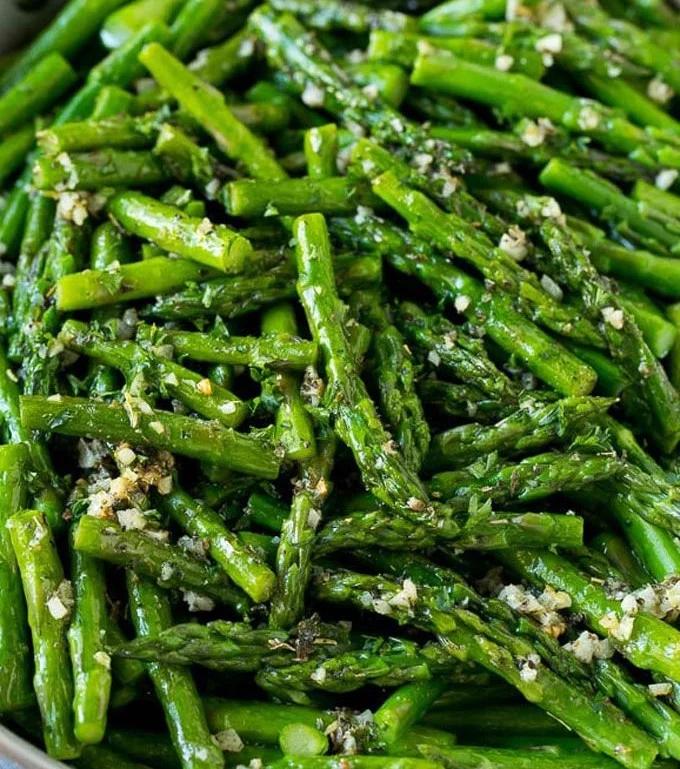
Sautéed Asparagus is a quick, versatile dish that highlights the fresh, vibrant flavors of this beloved vegetable. Perfect as a side or a light main, this recipe showcases simple ingredients to create a satisfying meal in just minutes. You’ll love how this dish brings out the earthy tones of the asparagus, while the butter and garlic add a delightful richness that makes it irresistible.
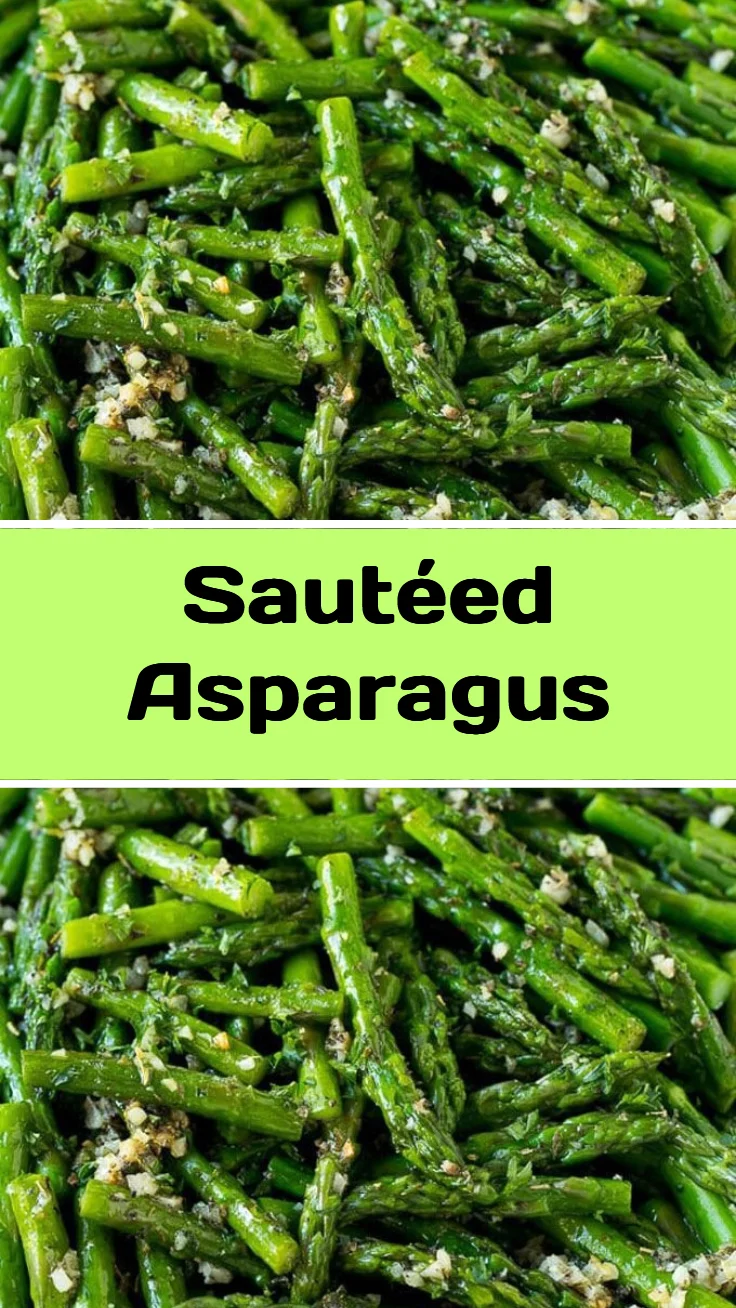
Why You’ll Love Sautéed Asparagus
- Quick to Prepare: This dish comes together in about 15 minutes, making it ideal for busy weeknights or last-minute gatherings.
- Healthy and Light: Packed with nutrients, asparagus is a great addition to any diet, offering a low-calorie option that doesn’t skimp on flavor.
- Versatile Side Dish: Sautéed asparagus pairs well with a variety of main courses, making it a great choice for any dinner table.
- Simple Ingredients: With just a handful of pantry staples, you can create a gourmet-tasting dish with minimal effort.
- Impressive Presentation: The bright green color of sautéed asparagus makes for a visually appealing addition to any meal.
Recipe Overview
- Prep Time: 5 minutes
- Cook Time: 10 minutes
- Total Time: 15 minutes
- Servings: 4
- Difficulty Level: Easy
Ingredients You’ll Need for Sautéed Asparagus
- Asparagus Stalks: 1 pound, trimmed to ensure even cooking.
- Butter: 2 tablespoons, adds richness and depth of flavor. You could substitute with olive oil for a dairy-free option.
- Garlic: 2 cloves, minced; this adds robust flavor. If you prefer a milder taste, reduce the amount.
- Assorted Herbs: 2 tablespoons of fresh thyme, parsley, or rosemary; enhances the dish’s aroma and flavor profile.
- Salt and Pepper: To taste; essential for bringing out the natural flavors of the ingredients.
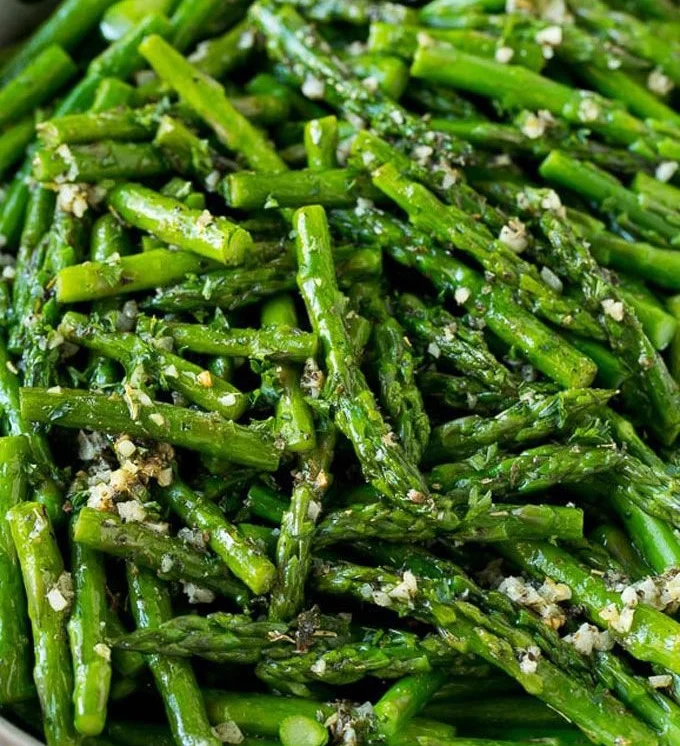
How to Make Sautéed Asparagus
- Melt the Butter: In a large skillet, melt the butter over medium heat until it’s frothy.
- Cook the Garlic: Add the minced garlic and sauté for about 30 seconds until fragrant, making sure not to burn it to avoid bitterness.
- Add Asparagus: Toss in the trimmed asparagus stalks, ensuring they are evenly coated with the garlic butter.
- Season: Sprinkle with salt and pepper, adjusting to taste as you prefer for flavor.
- Sauté: Cook for about 5-7 minutes, stirring occasionally. The asparagus should be tender yet crisp when done.
- Incorporate Herbs: Stir in the assorted herbs and cook for an additional minute to infuse the flavors.
- Serve Immediately: Transfer to a serving platter and enjoy while hot.
Tips for Success
- Don’t Overcook: Keep an eye on the asparagus to ensure it remains crisp and vibrant in color.
- Fresh Ingredients: Use fresh herbs for the best flavor. Dried herbs can work in a pinch but won’t provide the same freshness.
- Adjust Cook Time: Thicker asparagus stalks may require a bit more cooking time, while thinner ones will cook faster.
- Taste as You Go: Adjust seasoning at each step to suit your palate. Start with a little and add more as needed.
- Use High Heat: A hot skillet helps to quickly sear the asparagus, preserving its texture and flavor.
Easy Variations
- Lemon Zest: Add the zest of one lemon at the end for a bright, citrusy note.
- Parmesan Sprinkle: For a cheesy twist, sprinkle some grated Parmesan cheese over the asparagus just before serving.
- Red Pepper Flakes: If you enjoy a little heat, add a pinch of red pepper flakes when sautéing the garlic.
- Balsamic Glaze: Drizzle balsamic reduction over the finished dish for an added tangy flavor.
- Nuts: Toss in some toasted almonds or walnuts for crunch and added nutrition.
What to Serve with Sautéed Asparagus
- Grilled Chicken: The lightness of sautéed asparagus complements the hearty, smoky flavor of grilled chicken.
- Pasta Dishes: Pair with spaghetti or penne tossed in olive oil or a light cream sauce; the asparagus adds a crunchy texture.
- Salmon: The richness of salmon works beautifully with the freshness of the asparagus.
- Quinoa or Rice: Serve as a healthy side to grains, offering a balanced plate.
- Omelet: Add sautéed asparagus to an omelet for a nutritious breakfast or brunch option.
Storage and Reheating
- Refrigerator Storage: Store leftovers in an airtight container for up to 3 days.
- Freezer Storage: While fresh asparagus is best, you can freeze sautéed asparagus for up to 2 months. However, its texture may change.
- Reheating: Reheat in the microwave or on the stovetop over low heat, adding a splash of water or oil to retain moisture.
- Texture Preservation: To keep asparagus crisp, avoid reheating in the microwave for too long.
Common Mistakes to Avoid
- Overcooking Asparagus: This can result in a mushy texture, so watch the cooking time closely.
- Using Cold Butter: Starting with cold butter can lead to uneven melting and cooking; always melt it first.
- Not Seasoning Enough: Asparagus can taste bland if not seasoned adequately. Be generous with salt and pepper.
- Skipping the Herbs: Fresh herbs elevate the dish; don’t skip this step for maximum flavor.
- Using Wilted Asparagus: Ensure your asparagus is fresh and firm for the best taste and texture.
Sautéed Asparagus: Background & Cultural Inspiration
Sautéed asparagus is a part of various culinary traditions, showcasing the vegetable’s versatility. Asparagus has been enjoyed for thousands of years, traced back to ancient Egypt and Rome. It’s often associated with spring, symbolizing new beginnings and freshness. The simple preparation of sautéing emphasizes the natural flavors of asparagus, making it a beloved dish across cuisines, particularly in French cooking where fresh ingredients shine. This technique is not only quick but maintains the vegetable’s bright green color, vibrant taste, and health benefits.
Frequently Asked Questions
Can I use frozen asparagus for this recipe?
Yes, but note that frozen asparagus may be softer after cooking. Adjust cooking time as needed.
How do I know when asparagus is done cooking?
Asparagus should be bright green and tender-crisp. If it bends easily but isn’t mushy, it’s just right.
Can I make this dish ahead of time?
While it’s best enjoyed fresh, you can prep the asparagus and garlic in advance, cooking just before serving.
What herbs pair well with asparagus?
Thyme, parsley, and rosemary are great options, but feel free to explore other herbs like dill or basil that you enjoy.
How do I prevent the asparagus from getting soggy?
Make sure to sauté over medium-high heat and avoid overcrowding the pan to ensure even cooking.
Final Thoughts
Sautéed Asparagus is a delightful addition to any meal, bringing fresh flavors and vibrant color to your plate. With a simple method and basic ingredients, it’s easy to see why this dish is beloved by home cooks. Give it a try next time you need a quick side dish, and enjoy the wonderful simplicity of fresh asparagus at its best.
Sautéed Asparagus
A quick, versatile dish perfect as a side or light main, showcasing the fresh flavors of asparagus.
Asparagus Ingredients
- 1 pound Asparagus stalks, trimmed (Ensure even cooking.)
- 2 tablespoons Butter (Adds richness; can be substituted with olive oil for dairy-free.)
- 2 cloves Garlic, minced (Adds robust flavor; reduce amount for a milder taste.)
- 2 tablespoons Assorted herbs (thym, parsley, or rosemary) (Enhances aroma and flavor profile.)
- Salt and Pepper, to taste (Essential for bringing out natural flavors.)
Cooking Steps
- In a large skillet, melt the butter over medium heat until frothy.
- Add the minced garlic and sauté for about 30 seconds until fragrant, ensuring it doesn’t burn.
- Toss in the trimmed asparagus stalks, ensuring they are evenly coated with the garlic butter.
- Sprinkle with salt and pepper, adjusting to taste.
- Cook for about 5-7 minutes, stirring occasionally; the asparagus should be tender yet crisp.
- Stir in the assorted herbs and cook for an additional minute to infuse the flavors.
- Transfer to a serving platter and enjoy while hot.
Keep an eye on the asparagus to ensure it remains crisp and vibrant. Use fresh herbs for best flavor. Taste as you go and adjust the seasoning as necessary.