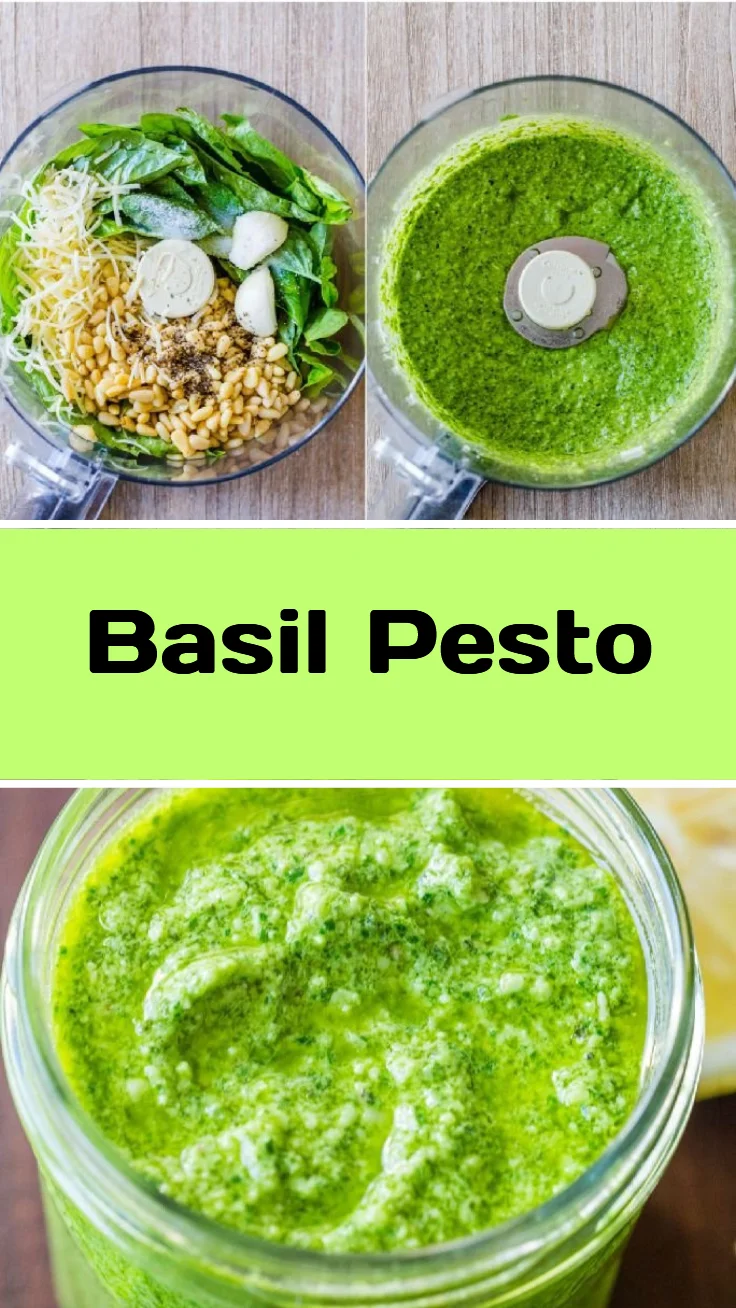
Creamy, vibrant, and bursting with flavor, this Basil Pesto is an easy and delightful addition to your cooking repertoire. With just a handful of fresh ingredients, you can create a versatile sauce that elevates everything from pasta dishes to sandwiches. Don’t miss out on the chance to brighten up your meals with this delicious recipe.
Why You’ll Love Basil Pesto
- Quick and Easy: This recipe comes together in just a few minutes, making it perfect for busy weeknights or last-minute gatherings.
- Fresh Flavor: The use of fresh basil, garlic, and Parmesan cheese creates a flavor profile that’s both refreshing and savory.
- Versatile Ingredient: Basil pesto can be used in various dishes, allowing you to experiment and enhance your culinary creations.
- Healthy Fats: Incorporating olive oil and nuts offers healthy fats, making this recipe a nutritious choice.
- Make-Ahead Friendly: You can prepare a batch in advance and store it, giving you an easy option for meals throughout the week.
Recipe Overview
- Prep Time: 10 minutes
- Cook Time: 0 minutes
- Total Time: 10 minutes
- Servings: Approximately 1 cup
- Difficulty Level: Easy
Ingredients You’ll Need for Basil Pesto
- 2 cups fresh basil leaves
- 1/2 cup grated Parmesan cheese
- 1/2 cup extra-virgin olive oil
- 1/3 cup pine nuts
- 3 garlic cloves
- Salt and pepper, to taste
Notes:
- Freshness Matters: Using fresh basil is essential for the best flavor.
- Parmesan Substitute: If you prefer a different flavor, pecorino Romano or nutritional yeast can be used as a substitute for cheese.
- Nut Options: If you’re allergic to pine nuts, consider walnuts or cashews as alternatives.
How to Make Basil Pesto
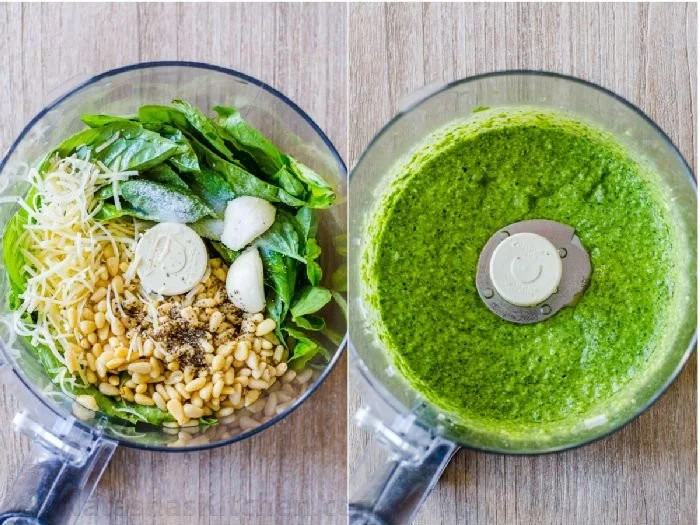
- Combine Ingredients: In a food processor, add the fresh basil leaves, pine nuts, garlic cloves, and grated Parmesan cheese.
- Pulse Until Chopped: Pulse the mixture until all ingredients are finely chopped, creating a textured paste.
- Add Olive Oil: While the processor is running, slowly drizzle in the extra-virgin olive oil to create a smooth mixture. Scrape down the sides as needed to ensure everything is well combined.
- Season: Taste the pesto and season it with salt and pepper according to your preference.
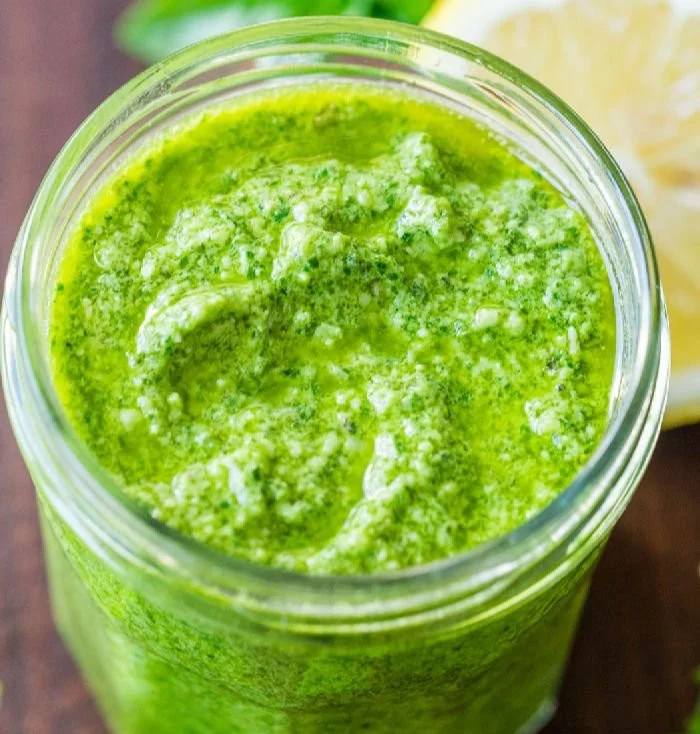
- Serve or Store: Use the pesto immediately with your favorite pasta or as a spread for sandwiches, or store it for later use.
Tips for Success
- Quality Ingredients: Use high-quality olive oil and freshly grated Parmesan cheese for the best flavor.
- Texture Control: For a chunkier pesto, pulse less; for a creamier consistency, process longer.
- Blanching Basil: Briefly blanching the basil leaves in boiling water can help preserve the vibrant green color if you plan to store it.
- Avoid Browning: To prevent the pesto from browning, press a layer of plastic wrap directly against the surface before storing.
Easy Variations
- Spinach Pesto: Substitute half of the basil with fresh spinach for a milder flavor and added nutrients.
- Spicy Pesto: Add a pinch of red pepper flakes for a kick.
- Vegan Pesto: Omit the cheese and use nutritional yeast instead for a cheesy flavor without dairy.
- Nut-Free Pesto: Replace nuts with seeds like sunflower seeds to keep the creamy texture while making it nut-free.
What to Serve with Basil Pesto
- Pasta: Toss it with your favorite noodles for a quick meal.
- Grilled Vegetables: Drizzle over grilled or roasted vegetables for a burst of flavor.
- Sandwiches: Spread it on bread for tasty sandwiches or wraps.
- Pizza: Use as a sauce base for a delicious twist on traditional pizza.
Storage and Reheating
- Refrigerator Storage: Keep pesto in an airtight container in the refrigerator for up to one week.
- Freezer Storage: Pesto can be frozen for up to three months. Consider pouring it into ice cube trays for easy portioning.
- Reheating: If using pesto from the fridge, lightly warm it on the stove over low heat; reheating in the microwave is also an option. To preserve texture, avoid boiling.
Common Mistakes to Avoid
- Not Using Fresh Basil: Stale or dried basil will not provide the same vibrant flavor.
- Processing Too Long: Over-processing can lead to a paste that’s too smooth, losing the desired texture.
- Skipping Seasoning: Don’t forget to season to taste; salt and pepper make a big difference.
- Choosing Low-Quality Oil: Low-quality olive oils can negatively impact the flavor of the pesto.
Basil Pesto: Background & Cultural Inspiration
Basil pesto originates from the Liguria region of Italy, particularly from the city of Genoa. Traditionally, it combines fresh basil, garlic, Parmigiano-Reggiano cheese, and nuts, often pine nuts. The word "pesto" comes from the Italian word "pestare," meaning to crush or pound, reflecting the traditional technique of preparing pesto with a mortar and pestle. Its rich flavor and vibrant green color embody the essence of Italian cuisine—simple, fresh, and full of character.
Frequently Asked Questions
Can I use other herbs instead of basil?
Absolutely! You can experiment with parsley, cilantro, or even arugula to create a different flavor profile.
How do I make pesto ahead of time?
You can prepare pesto up to a week in advance. Store it in an airtight container and press plastic wrap against the surface to minimize air exposure.
What nuts can I use other than pine nuts?
Walnuts, almonds, or cashews are great alternatives if you’re looking for a different flavor or if pine nuts are unavailable.
Can I double the recipe?
Yes! This recipe is easily scalable, so feel free to double or triple it for a larger batch.
How long can I keep pesto in the freezer?
Pesto can typically be stored frozen for up to three months. Just be sure to store it in airtight containers or ice cube trays.
Final Thoughts
Basil Pesto is a delightful and simple sauce that can transform your meals. Its fresh flavor and versatility make it a must-have in any kitchen. Whether served with pasta, on sandwiches, or as a dip, we encourage you to make this vibrant pesto and enjoy the brightness it brings to your cooking. Happy cooking!
Basil Pesto
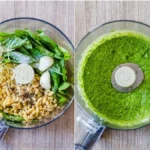
Creamy, vibrant, and bursting with flavor, this Basil Pesto is an easy and delightful addition to your cooking repertoire. This versatile sauce can elevate everything from pasta dishes to sandwiches.
Main ingredients
- 2 cups fresh basil leaves (Freshness Matters: Using fresh basil is essential for the best flavor.)
- 1/2 cup grated Parmesan cheese (Parmesan Substitute: If you prefer a different flavor, pecorino Romano or nutritional yeast can be used as a substitute for cheese.)
- 1/2 cup extra-virgin olive oil (Quality Ingredients: Use high-quality olive oil for the best flavor.)
- 1/3 cup pine nuts (Nut Options: If you’re allergic to pine nuts, consider walnuts or cashews as alternatives.)
- 3 cloves garlic
- Salt and pepper, to taste (Don’t forget to season; salt and pepper make a big difference.)
Preparation
- In a food processor, add the fresh basil leaves, pine nuts, garlic cloves, and grated Parmesan cheese.
- Pulse the mixture until all ingredients are finely chopped, creating a textured paste.
- While the processor is running, slowly drizzle in the extra-virgin olive oil to create a smooth mixture. Scrape down the sides as needed to ensure everything is well combined.
- Taste the pesto and season it with salt and pepper according to your preference.
- Use the pesto immediately with your favorite pasta or as a spread for sandwiches, or store it for later use.
Make-Ahead Friendly: You can prepare a batch in advance and store it, giving you an easy option for meals throughout the week.